Sports & Lifestyle
Careers in Sports: Jobs in the Sports Industry in India
A practical map of sports industry jobs in India, from coaching and events to facilities, science, media and technology, and how to actually get started.
By Sportagon · 5 November 2026 · 9 min read
Can you build a real career in sports without being a player?
Yes. The sports industry employs far more people off the field than on it. Coaches, event managers, facility operators, physiotherapists, referees, analysts, content creators and technology teams keep sport running. Most of these careers start with volunteering at real events and grow through documented experience, not through a single degree.
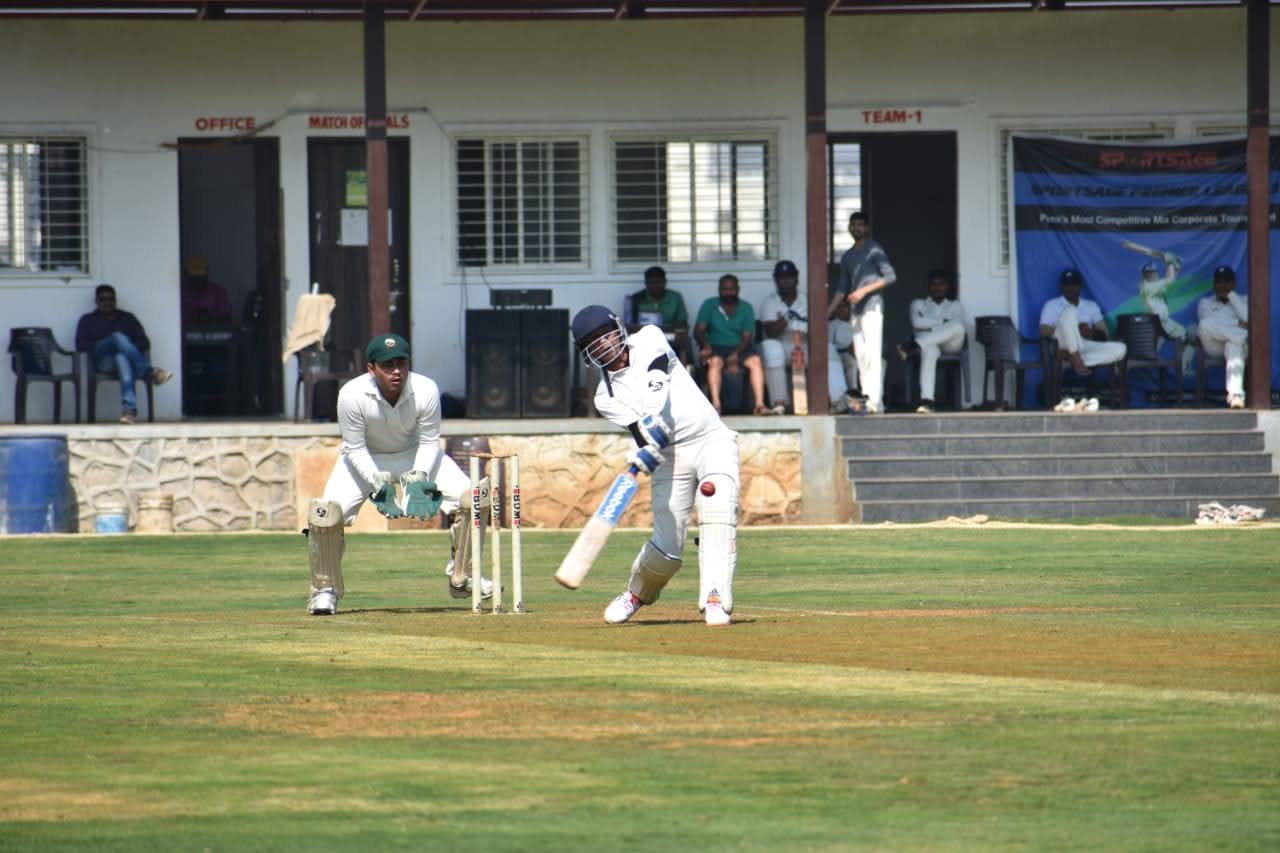
1. The sports industry is bigger than playing
Most people picture a sports career as becoming a professional player. In reality, every match, league, academy, turf and tournament depends on people who never take the field: coaches, event managers, facility operators, physiotherapists, referees, analysts, photographers, commentators and administrators. For every visible athlete there is a much larger team making the sport possible.
India's sports economy now spans school and college tournaments, corporate leagues, private academies, turf and facility businesses, sports technology platforms, broadcasting and merchandising. Each of these needs trained staff, and many of these roles did not exist as formal careers a generation ago. That is why 'jobs in sports' is now a realistic search for graduates, not just a dream for players.
2. The main types of sports jobs
Coaching and training: academy coaches, school sports teachers, strength and conditioning trainers and sport-specific skill coaches. These roles need playing or teaching experience, and increasingly formal certification from recognised federations or bodies.
Event and tournament management: planning fixtures, venues, registrations, officials, sponsorship and event-day operations. This is project management applied to sport, and it suits organised people who can coordinate many moving parts under time pressure.
Facility management: running turfs, courts, grounds and multi-sport complexes. The work covers bookings, maintenance, staffing, safety and customer experience. As private sports facilities grow across Indian cities, this is one of the fastest expanding categories.
Sports science and medicine: physiotherapists, sports nutritionists, psychologists and performance analysts. These usually require a relevant degree, but demand is rising as academies and teams professionalise.
Media, content and marketing: sports journalists, social media managers, photographers, videographers, commentators and sponsorship executives. Leagues, academies and event companies all need people who can tell the story of their sport.
Technology and data: product and operations roles at scoring apps, booking platforms, tournament software and wearable companies. A background in software, design or data combined with genuine sports knowledge is a strong combination.
Officiating and administration: referees, umpires, scorers, association officials and league administrators. Federations and local associations run certification pathways, and experienced officials are consistently in short supply.
3. Skills and qualifications that matter
Formal qualifications help but rarely decide alone. Sports management degrees and diplomas, physical education (B.P.Ed, M.P.Ed), physiotherapy, nutrition and coaching certifications each open specific doors. For business-side roles, general degrees in marketing, commerce, engineering or communications work well when paired with sports experience.
What employers consistently look for is proof you can deliver in a live sports environment: reliability under pressure, communication with players and parents, basic budgeting, comfort with spreadsheets and software, and the willingness to work weekends and event days. Document every event, season or team you have helped run; that record is your portfolio.
Want to get people playing?
Get a Quote for Your Sports Programme
Schools, colleges, corporates and communities - we design and run sports programmes, leagues and coaching.
4. How to start: volunteering to your first role
The most reliable entry point is volunteering. College sports fests, local tournaments, school sports days and corporate events all need help with registration desks, scoring, fixtures, logistics and hospitality. Volunteer work teaches you how events actually run and introduces you to the organisers who hire.
From there, look for internships and entry roles with event companies, academies, turf facilities, sports startups and school sports programmes. Be specific when you apply: say which sport, which city and which type of role you want, and attach evidence of what you have already done. A short record of three well-run events beats a generic resume.
Build visible proof of work. Write match reports, maintain tournament records, photograph events (with permission), or manage a league's social page. In a relationship-driven industry, being known for doing one thing well leads to the next opportunity.
5. How sports careers grow over time
Sports careers compound through reputation and networks. A volunteer becomes a coordinator, a coordinator becomes an event lead, an event lead runs entire seasons. Facility executives grow into facility managers and then multi-venue operations heads. Coaches build academies; officials progress to higher-level competitions.
The industry rewards people who combine reliability with record keeping. Professionals who can show verified seasons of work, references from organisers and measurable outcomes move faster than those who rely on claims. As Indian sport professionalises, the gap between informal help and documented professional experience keeps widening, in favour of the documented.
6. A realistic picture before you commit
Sports jobs involve irregular hours, weekend work, seasonal peaks and modest starting pay in many roles. Entry salaries in event and facility operations are often lower than comparable corporate jobs, and income can be uneven until you build a reputation. Go in with eyes open.
The trade-off is work that many people find genuinely meaningful, rapid responsibility early in your career, and an industry that is still growing. If you love sport and can accept the conditions, the pathway from volunteer to professional is shorter and more open than in most established industries.
Sports industry role map
A quick reference for the main career tracks, example roles and what typically helps you enter each one.
| Career track | Example roles | What helps you enter |
|---|---|---|
| Coaching and training | Academy coach, PE teacher, fitness trainer | Certification, playing or teaching experience |
| Event management | Tournament coordinator, event lead, operations | Organisation, communication, budgeting |
| Facility management | Turf or venue executive, facility manager | Operations, customer service, safety |
| Sports science | Physiotherapist, nutritionist, analyst | Relevant degree or certification |
| Media and marketing | Content creator, sponsorship executive | Portfolio, writing or design skills |
| Technology and data | Product, operations or data roles in sports tech | Software or data skills plus sports knowledge |
| Officiating | Referee, umpire, scorer | Federation certification, match experience |
Sports career questions
What jobs are available in the sports industry in India?
Common roles include coaching, physical education teaching, event and tournament management, facility and turf operations, physiotherapy and sports science, sports media and marketing, technology and data roles at sports startups, and officiating. Many roles exist at academies, schools, event companies, facility operators and leagues.
Do I need a sports degree to work in sports?
Not for every role. Sports science and medicine roles need relevant degrees, and coaching benefits from federation certification. Event management, facility operations, media and business roles often accept general degrees when combined with demonstrated sports experience, such as volunteering at tournaments or running college events.
How do I start a career in sports management with no experience?
Volunteer at local tournaments, college fests and school sports events. Take responsibility for a specific task like scoring, registration or fixtures, document your work, and ask organisers for references. Then apply for internships and entry roles with event companies, academies and facilities with that evidence in hand.
Are sports jobs in India well paid?
Starting pay in many sports roles is modest compared with corporate jobs, and hours can be irregular with weekend work. Pay improves substantially with experience, specialisation and reputation, particularly in coaching, facility management, sports technology and senior event roles.
What qualifications help for a sports career?
Useful qualifications include B.P.Ed or M.P.Ed for teaching and coaching, federation coaching and officiating certifications, physiotherapy and nutrition degrees for sports science, and sports management diplomas for business roles. Practical event experience and a documented record of work matter as much as certificates in most hiring decisions.
Start where the sport happens
One partner, all sides of sport. Sportagon works across event management, facilities, technology, trophies and agency services, and we hire for exactly the kinds of roles described in this guide. See current openings on our careers page.
Read next: success and failure in sports as a career, leadership lessons from sports, or why sports matter for the youth today.